

Gold Mines for Sale — Mining Claims, Placer & Lode Opportunities
Browse featured gold-mining claim posts, understand what an unpatented federal mining claim actually gives you, and use official BLM and USGS resources before paying for any claim, mineral interest, or mining property.
Affiliate disclosure: some marketplace links are affiliate links. We may earn a commission if you purchase after clicking, at no additional cost to you. Listings, prices, acreage, mineral claims, seller statements, access, and availability must be independently verified.
It is a specialized possessory mineral interest. The United States generally retains ownership and management of the surface, and a claim does not automatically create exclusive recreational, residential, building, road, or camping rights. Verify the exact claim and permitted use before buying.
Patented property and unpatented mining claims are very different assets
One of the biggest mistakes a first-time buyer can make is treating every “gold mine for sale” listing like conventional acreage. The ownership interest can be fundamentally different.
Patented Mining Property
A patented mining claim is one where the federal government previously conveyed title. In most cases, that means private title to the locatable minerals and surface, subject to the actual patent, deed, reservations, easements, and local law.
- Can resemble conventional private real property
- Title and deed records still need verification
- New mineral patent applications are generally blocked by the long-running federal moratorium
Unpatented Federal Mining Claim
An unpatented claim asserts a right of possession for exploration, development, and extraction of a discovered valuable locatable mineral deposit on qualifying federal land. It is not private ownership of the surface.
- Check the BLM serial number and MLRS record
- Annual maintenance or qualifying waiver requirements apply
- Surface use and disturbance can require BLM or Forest Service authorization
Gold mine & mining claim listings
These cards preserve the listings featured on the supplied page. Prices and availability are snapshots from their source posts, not independently verified current offers.

20 Acre Colorado Gold Placer Mining Claim – Kenosha Creek, Park County
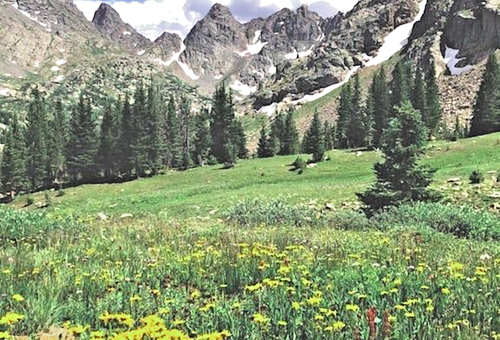
Waterfront Mining Claims in Vail Valley, CO – 282.64 Acres

40-Acre Federal Gold Mining Claim – Hidden Springs #1

40-Acre Federal Gold Mining Claim – Rainbow's End #8
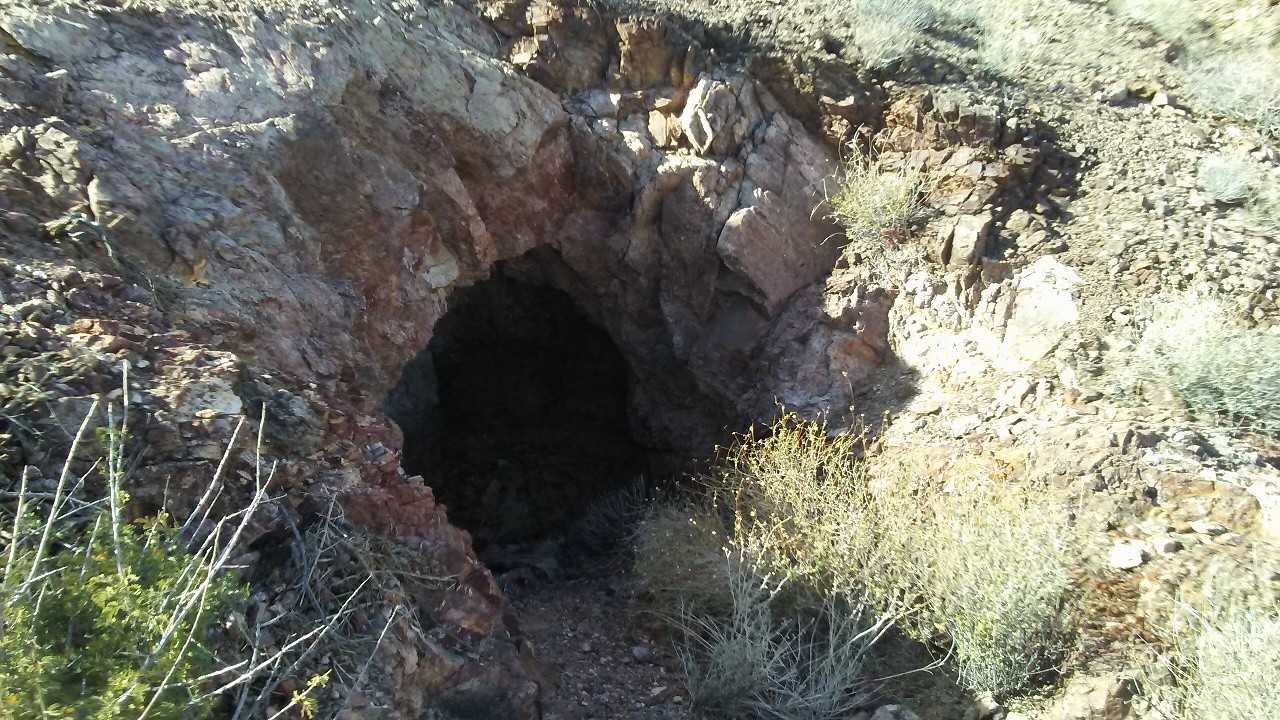
20.66 Acre Gold Lode Mining Claim – Mohave County, AZ

Utah Lode Mining Claim – Gold & Silver, 20 Acres Unpatented Federal
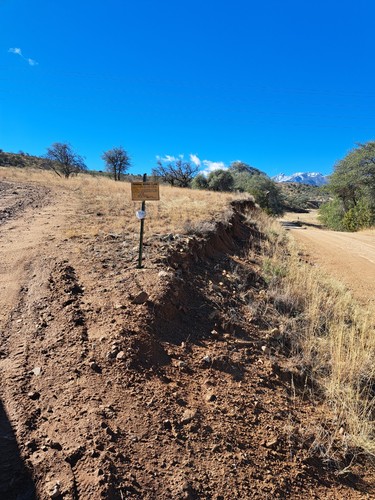
20 Acre Unpatented Mining Claim – With Room for Your RV

Federal Placer Mining Claim – Baker County, Oregon, Burnt River
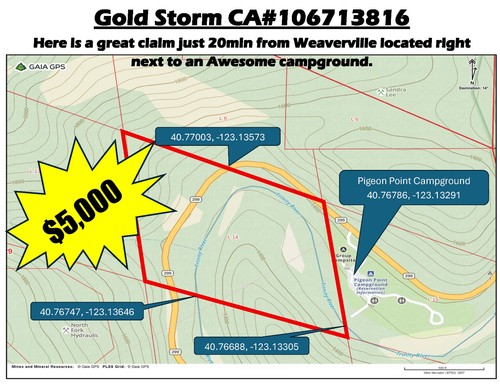
Gold Storm 29.15-Acre Trinity River Mining Claim – CA, Big Gravel Bars
Browse additional mining claims on eBay
Marketplace inventory changes constantly. Treat eBay as a discovery source, not a substitute for BLM, county, title, geological, access, and permitting verification.
What to verify before buying a mining claim
A cheap claim can become expensive quickly if the ownership interest, mineral validity, access, filings, surface use, geology, or permitting assumptions are wrong.
Get the exact BLM serial number
For a federal claim, identify the precise claim record rather than relying on a listing title or map screenshot.
Research the claim in BLM MLRS
Check the current Mineral & Land Records System for claim data and related records. LR2000 is a legacy system and should not be presented as the current lookup tool.
Confirm county and state recordation
Federal filing is not the only paperwork that can matter. Verify the recording and transfer steps applicable in the state and county where the claim is located.
Verify annual maintenance status
BLM mining claims have recurring filing and maintenance obligations. Check current deadlines, fees, waiver eligibility, and the actual claim record instead of relying on last year’s numbers.
Determine legal and physical access
A claim shown beside a road is not proof you have a private right to use that road, camp indefinitely, build structures, or exclude the public from the surface.
Separate geology from marketing
Historical mining nearby does not prove economic mineralization on the claim. Review credible assays, sampling methods, geology, production records, and independent technical evidence.
Understand surface-disturbance rules
Mechanized exploration, roads, bulk sampling, buildings, and mining operations can require notices, plans, permits, reclamation bonding, or agency approval.
Use primary sources before you trust a sales listing
These are better starting points for verification than a seller’s marketing copy.
Mineral & Land Records System
Current BLM land and mineral records platform, including mining-claim research and transactions.
Open BLM MLRS →Mining Claims
BLM overview of mining claims, lode and placer claim types, and federal locatable-mineral rules.
Read BLM guidance →Mining Claim Fees
Check current filing, transfer, maintenance, waiver, and assessment-work fee information directly with BLM.
Check current fees →Gold Statistics & Information
U.S. Geological Survey gold statistics, supply information, and mineral-resource research.
Visit USGS →Gold mines & mining claims FAQ
Can a gold mining claim be bought and sold?
Does an unpatented mining claim mean I own the land?
What is the difference between placer and lode claims?
How do I check whether a federal claim is current?
Can I build a cabin or live on an unpatented claim?
Does a high gold spot price make every claim more valuable?
Are the listings on this page independently verified?
Where can I browse more gold mining claims?
Research the claim before you buy the story.
Start with the seller’s listing, then move to the BLM serial number, MLRS record, local recordation, access, geology, surface-management requirements, and transfer documents. If the evidence does not support the marketing, the asking price is irrelevant.