
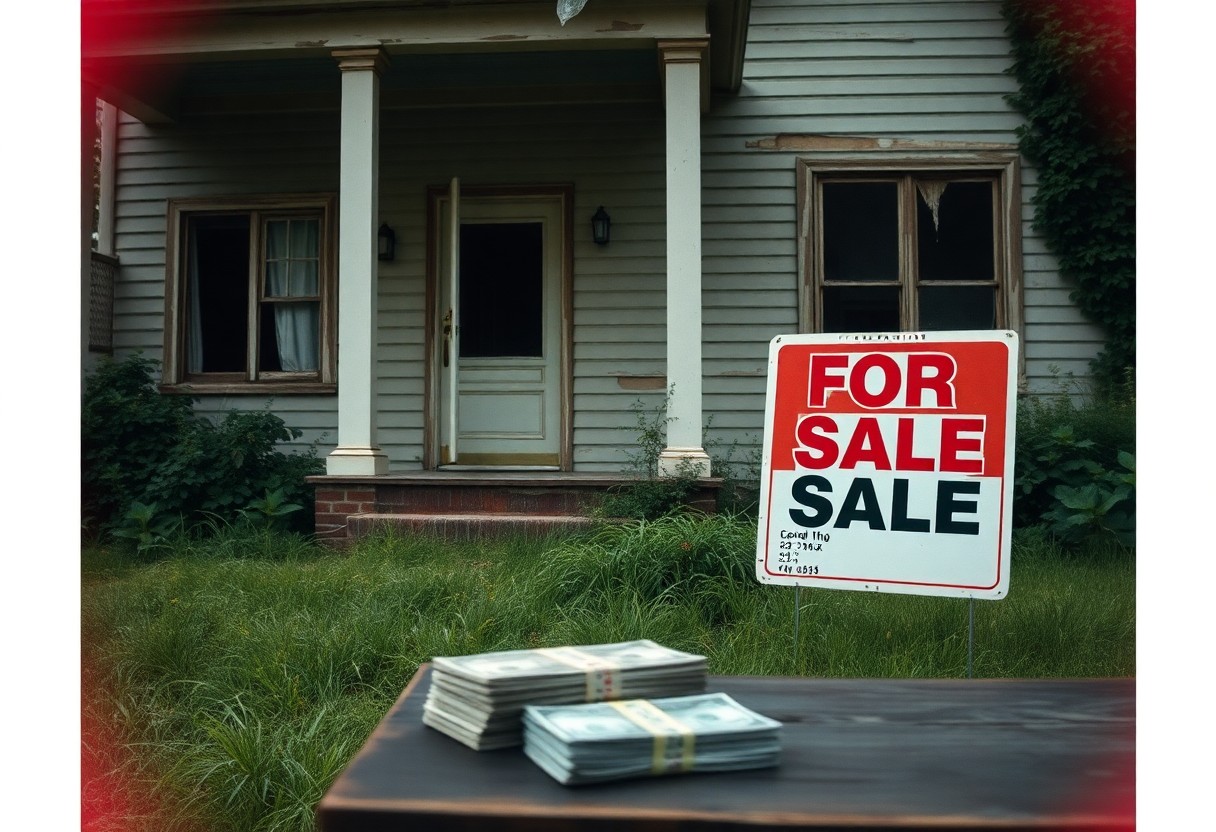
Struggling with a home that needs major repairs or won’t sell?
Just like many homeowners, you might be wrestling with the decision to hold onto or let go of your problematic property. When your home starts showing signs of distress, from mounting repair costs to financial strain, it’s vital to recognize when selling for cash becomes your best option. If you’re facing challenges with your property, understanding these tell-tale signs can help you make an informed decision that protects your financial future. A cash sale offers you a quick, hassle-free solution without the complexities of traditional real estate transactions, allowing you to move forward without the burden of a distressed property.
Understanding Distressed Homes
The concept of distressed homes encompasses properties that face significant challenges affecting their market value and sellability. These properties often require substantial repairs, face financial complications, or suffer from various maintenance issues that make them difficult to sell through traditional real estate channels.
Definition of Distressed Homes
Homes become “distressed” when they face circumstances that significantly impact their value or marketability. This includes properties with structural damage, financial complications, or those requiring extensive repairs. Your property might be considered distressed if you’re facing foreclosure, dealing with major repair issues, or experiencing other challenging situations that affect your home’s value.
Common Types of Distress
If your home faces any of these common distress factors, you might consider a cash sale solution:
- Structural problems (foundation issues, roof damage)
- Financial distress (foreclosure, tax liens)
- Major system failures (electrical, plumbing)
- Environmental issues (mold, pest infestations)
- Legal complications (title issues, inheritance disputes)
| Distress Type | Impact on Sale |
|---|---|
| Structural Issues | 40-60% value reduction |
| Financial Distress | Urgent sale needed |
| Major Systems | 20-30% repair costs |
| Environmental | Extended sale timeline |
| Legal Issues | Complex closing process |
For instance, when dealing with these challenges, you’ll find that distressed properties typically require specialized solutions:
- Cash buyers can close quickly
- No repairs needed before sale
- Simplified process with fewer complications
- Reduced holding costs
- Quick resolution of financial issues
Key Factors Indicating It’s Time to Sell
While owning a distressed property can be overwhelming, certain indicators suggest that selling for cash might be your best option. From mounting repair costs to pressing financial obligations, these signs can help you make an informed decision about your property’s future. This comprehensive guide will help you identify if you’re ready to transition from a challenging property situation to a quick cash sale.
Costly Repairs
Costly home repairs can quickly spiral out of control, especially when dealing with issues like foundation damage, roof replacement, or major structural problems. When repair estimates exceed 30% of your home’s value, it’s often more practical to sell as-is. This solution eliminates the stress of managing extensive renovations while providing immediate financial relief.
Financial Hardship
The burden of mortgage payments, property taxes, and maintenance costs can become overwhelming, particularly during unexpected life changes. When facing potential foreclosure or mounting debts, selling your home for cash can provide the quick financial solution you need.
This situation becomes particularly challenging when you’re dealing with multiple missed payments or facing bankruptcy. A cash sale can help you avoid further credit damage and provide the funds needed to stabilize your financial situation within as little as 7-14 days.
- Behind on mortgage payments
- Facing foreclosure notices
- Dealing with tax liens
- Struggling with maintenance costs
Tips for Selling Your Distressed Home
Some key strategies can help you maximize the value of your distressed property while ensuring a smooth transaction. Focus on documenting all existing damage, gathering repair estimates, and maintaining transparent communication with potential buyers. Any successful sale starts with understanding your home’s true market value and setting realistic expectations.
Preparing Your Home for Sale
On the path to selling your distressed property, concentrate on basic cleanup and safety measures. While major renovations aren’t necessary for a cash sale, you should:
- Remove personal belongings
- Clear cluttered spaces
- Secure loose fixtures
- Maintain basic yard upkeep
Choosing the Right Cash Buyer
Distressed property owners should carefully evaluate potential cash buyers by checking their credentials, reviews, and track record. Look for buyers who offer transparent pricing and can provide proof of funds. Your ideal buyer should have experience with similar properties in your area.
Home sellers often face pressure from unreliable cash buyers who make unrealistic promises. Protect your interests by verifying the buyer’s business license, reading customer testimonials, and ensuring they have a physical office location. Professional cash buyers typically close within 7-14 days and handle all paperwork professionally.
Step-by-Step Process of Selling for Cash
Not sure how to navigate selling your distressed property? The cash-buying process is simpler and faster than traditional real estate transactions. Here’s what you can expect:
| Step | Description |
| 1. Initial Contact | Submit your property information online |
| 2. Property Assessment | Quick evaluation of your home’s condition |
| 3. Cash Offer | Receive a no-obligation offer within 24 hours |
| 4. Closing | Close in as little as 7 days |
Getting an Initial Offer
Offer evaluation begins when you submit your property details. You’ll receive a preliminary cash offer within 24 hours, based on your home’s location, condition, and current market values. This initial offer comes with no obligations or hidden fees.
Finalizing the Sale
The closing process is streamlined for your convenience. Unlike traditional sales that can take months, cash purchases typically close in 7-14 days. You choose the closing date that works best for your schedule.
To complete the sale, you’ll work with a professional title company that handles all necessary paperwork. There’s no need for real estate agents, and you won’t pay any commissions or closing costs. The amount offered is the amount you receive.
Pros and Cons of Selling a Distressed Home for Cash
Once again, selling your distressed property for cash presents a unique set of advantages and challenges that you need to carefully consider before making your decision. Here’s a comprehensive breakdown of what you can expect:Pros vs Cons
| Fast closing (7-14 days) | Lower sale price than market value |
| No repairs needed | Limited negotiation power |
| No real estate agent fees | Risk of scams |
| No staging or showings | Fewer buyer options |
| Guaranteed sale | Cash offers 20-30% below market |
Advantages
Any homeowner facing property challenges can benefit from the streamlined process of cash sales. You’ll avoid the typical 2-3 month selling period, skip expensive repairs, and eliminate real estate commission fees that typically cost 6% of the sale price. The certainty of closing provides peace of mind, especially when dealing with time-sensitive situations.
Disadvantages
While cash sales offer convenience, you’ll typically receive 20-30% less than market value for your property. The limited pool of cash buyers means fewer opportunities to negotiate, and some buyers might attempt to take advantage of your situation.
With the rise of real estate scams, you need to be particularly cautious when dealing with cash buyers. Always verify the buyer’s credentials, request proof of funds, and consider working with reputable companies that have established track records in your local market.
Market Trends to Consider
Despite the challenges of selling a distressed property, understanding current market dynamics can help you make an informed decision. Your local market conditions, combined with broader economic factors, play a crucial role in determining the optimal timing for selling your distressed home for cash.
Local Real Estate Market
Trends in your area can significantly impact your selling decision. Consider these key factors:
- Average days on market for similar properties
- Comparable property values in your neighborhood
- Buyer demand for fixer-upper homes
- Local development projects affecting property values
Perceiving these patterns can help you determine if now is the right time to sell.
Economic Factors
Local economic indicators directly influence your property’s value and marketability:
- Interest rates and mortgage availability
- Employment rates in your area
- Housing inventory levels
- Construction costs for repairs
Real estate market analysis shows that when interest rates rise, traditional buyers become more hesitant, making cash buyers increasingly attractive. Your distressed property might face additional challenges in a competitive market where move-in ready homes are preferred. Perceiving these economic signals can guide your decision to sell for cash.
Conclusion
Ultimately, selling your distressed home for cash could be your best path forward when faced with overwhelming repairs, financial challenges, market stagnation, inherited property burdens, or urgent relocation needs. You don’t have to continue struggling with a property that’s become more of a liability than an asset. By recognizing these five telling signs, you can make an informed decision about whether a cash sale is right for your situation. When traditional selling methods fall short, a cash buyer can offer you the quick, hassle-free solution you need to move forward with your life.
Sell Fixer-Upper As-Is: Benefits of No Renovation In 2025 – We Buy Broken Homes